Mental Health Support for Resettlement
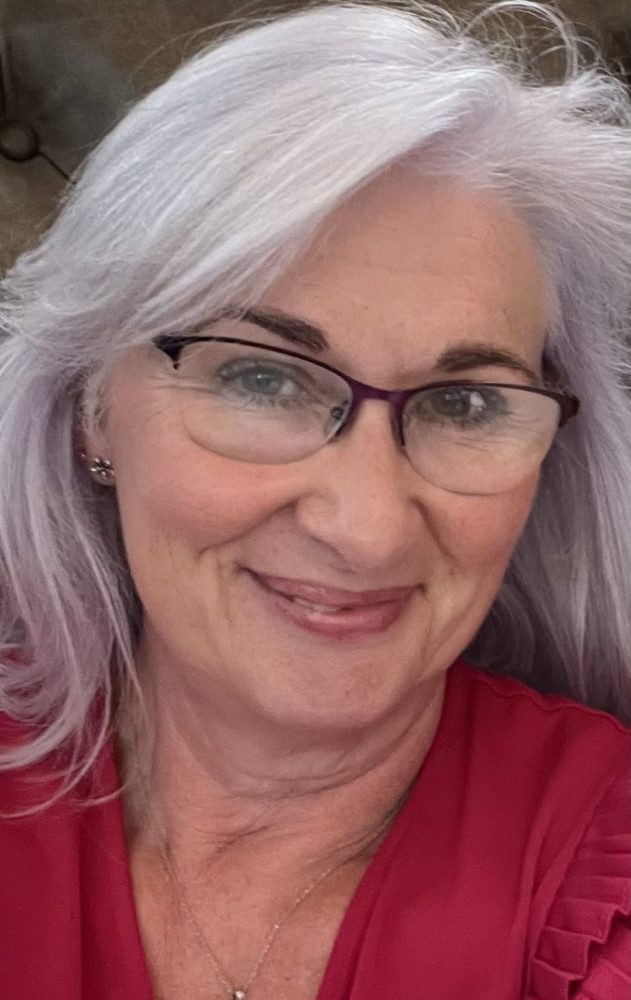
Hi, my name is Katrina Macleod and I am the registered Mental Health Nurse assigned to working with the Resettlement Team across D&G. I qualified as a nurse away back in 1990 and over the years I have worked in many different areas. Initially I worked as an inpatient nurse and then I took a long time out to raise my 5 children. Since my return to work I have worked in a rehabilitation unit, a forensic unit, an intensive care unit and prior to this post I was a Community Mental Health Nurse visiting people at home.
I’m really excited about this new post. We call ourselves Mental Health Nurses because we like to support people to maintain the best mental health possible rather than wait until they become unwell. Our job is to do what we can to prevent people from becoming mentally unwell and to enjoy the best life they can. As I understand it, my role is to offer advice and support to people in D&G who have come from other countries as refugees, asylum seekers or migrants and to make sure they can access the right services. I can also offer advice and support to staff who are struggling with the things they have been exposed to in their roles. If there are concerns about your own, or anyone else’s mental health, then you can discuss it with me and I can advise on whether Primary or Secondary Mental Health Care is the best option. I am happy to see people in order to make that assessment if necessary and staff can contact me anytime in working hours for a chat if they just want to talk something through.
Everyone has mental health issues from time to time, it’s a bit like catching a cold, sometimes all we need, is to take extra care of ourselves and it will get better on its own, sometimes it turns into a chest infection and we have to go the doctor. Mental health is exactly the same.
What we need to look out for are changes to our normal selves that don’t resolve after a day or two. We might notice changes to our sleep patterns and appetite. We might have no energy and not be interested in our hobbies and activities. Perhaps we are more irritable with those around us, or we might withdraw and can’t be bothered speaking to anyone when normally we like to be sociable. Remember, what is normal for us might not be normal for somebody else. What we are looking out for is changes to our usual.
These early warning signs can often be dealt with by a little self care. Do what makes you happy, go for some long walks, take a relaxing bath, have some early nights and treat yourself to some food that you like. For some people it might be about seeking out the company of people you trust and confiding in them, for others it might be about spending some quiet time alone.
If we do all these things for a week or two and things are not getting any better, then it could be time for the next step. Most of the GP surgeries have what are called Primary Care Mental Health Nurses. You can call the surgery and ask for an appointment. Or you can ask for an appointment with your GP. The Primary Care Nurse will talk to you and do an assessment that might highlight some active interventions to help you recover. They can offer help and support to manage anxiety and stress and they can give you ideas for practical things you can do to help lift your mood and improve your sleep and appetite. If appropriate, they can discuss medication with the GP, there are lots of medications available to treat these symptoms.
It can take a few weeks, sometimes up to six weeks for these things to work so we have to be patient, but if you feel after doing all this you are not getting any better, the Primary Care Nurse can refer you to the Community Mental Health Team. They can provide you with much the same kind of treatment but at a much more intense level. You will be offered an in depth assessment to work out what is the best treatment we can offer you. You could be allocated a nurse who will visit you at home and you can be supported to try different medications to find the one that works for you. At this stage, you will be under the care of a Consultant Psychiatrist, a doctor specially trained in mental health issues.
If your issues are related to bad experiences you have had in the past, or you are troubled by negative thought patterns that you can’t change, we can refer you to a psychologist who can help you talk through what happened, help you understand why it has affected you and how you can manage these feelings in the future.
Just like physical health, hospital is always the very last option, we like people to stay in their own homes for as long as possible.
And again, just like with physical health issues, people can have mental health emergencies that need immediate treatment and we have services in Dumfries and Galloway that can respond to that need. Depending on how serious, you can dial 999 or call NHS 24 and someone will be available to help.
Everyone working in Mental Health is bound by the rules of confidentiality. You can be sure that anything you tell us will remain private, sometimes we may have to share that information with other professionals but we will discuss that with you at the time.
I work Monday to Thursday 9 to 5 and I am very happy to help in whatever way I can.